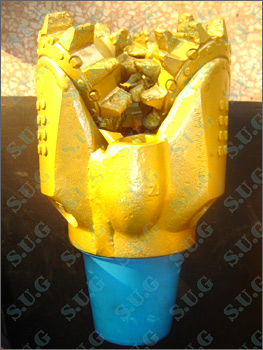
Parameter
Description:
Parameter
Series: rubber rings-rolling bearings(SDT×××G)
Description:
Characteristic of bearing structure:
1S.U.G SDT×××G,series tricone bit use Journal bearing. Hardfaced head bearing surface. Cone bearing inlaid with friction reducing alloy and then silver-plated. The load capacity and seizure resistance of the bearing is greatly improved.
2. O ring seal is made of the more wear resistance high saturated buna-N with the increased seal section and precisely designed sealing flange in the cone sealing area increased the reliability of the seal.
3. The bit bearing can be ball locked
4. New type of grease that can sustain high temperature up to 250°C is utilized.
5. For steel tooth bit, the tooth surface is hardfaced with new type of wear resistan
material and thus extended working life of the cutting structure while still maintaining high ROP.
Characteristic ofPredominance technology
.S.U.G SDT×××G series tricone bits is O-ring sealed journal bearing product. It can sustain higher WOB under normal rotary speed and is suitable for drilling formations from very soft to very hard by properly selecting different cutting structures.